Data Layers
Working with data on a daily basis I usualy look for the stories in the data. In Boron Mon Amour 'the story' will come from a documentary filmmaker John Burgan. This is a new thing for me, a challenge and one of the main reasons for joining REACT. We are just starting here so let me ask couple of questions:
Data? What data?
From the most obvious things:
Static data - things that won't change ever or in hear future
- stats about Boron (chemistry & co)
- Boron industy (biggest manufacturers, production figures)
- locations visited in the movie
- people referenced in the movie
- other facts and cultural references
- ...?
Live data - things changing daily / often
- stock market data related to boron
- Boron and other terms from the movie mentioned on social media
- ..?
So we will definitely start with Boron but we won't stop there.
Why?
The data will extend, enhance... Ups!... to many words starting with E. What does it mean? Is it needed? Is it interesting? How does data change (breaks?) the linear narration?
How?
As the project will live on a website it's crucial to ask ourself how the interactive data elements will coexists with the movie. Where is it? When is it shown? Can you interact with it? How? Is the movie paused when you interact? Is it flat or is it 3d?
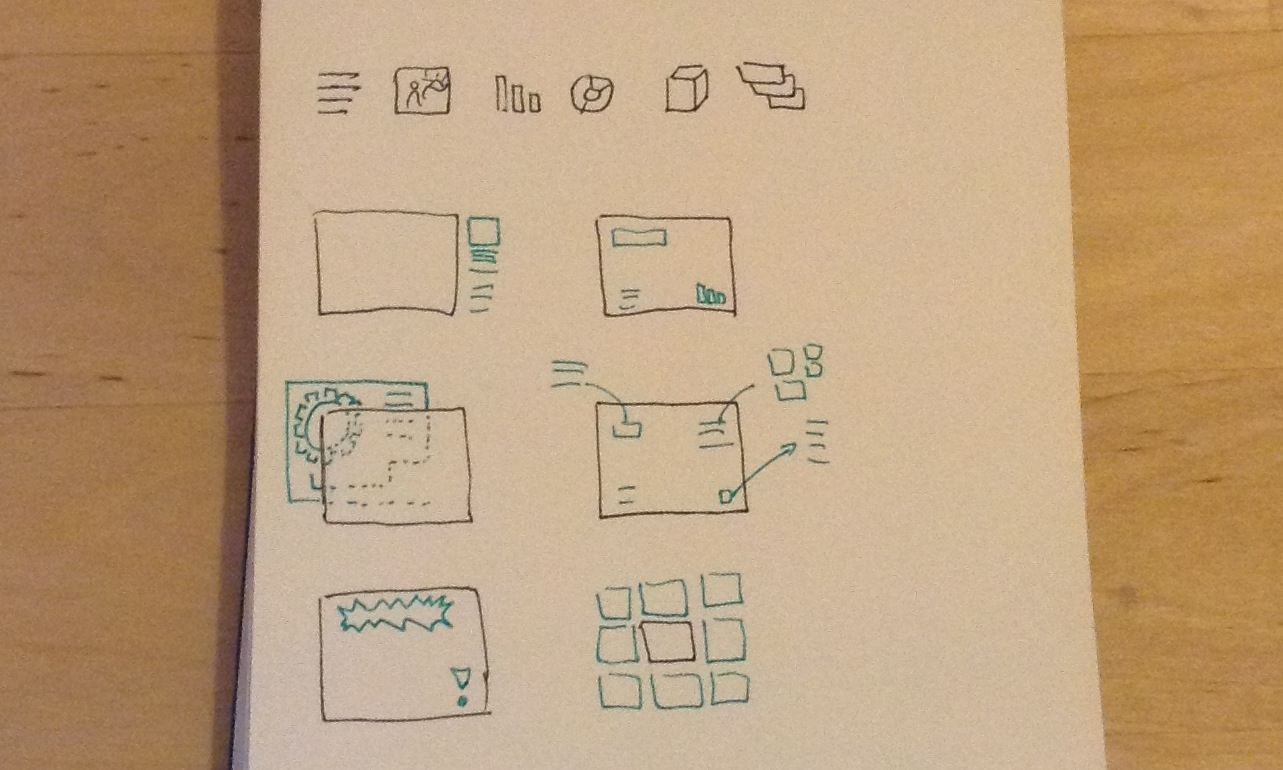
- Data as a side comment
- Data as extra layer
- Data as backstage / contect
- Data as extension
- Data as distraction
- Video as data
Tools
PopcornJS library and the interface for it Popcorn Webmaker seem to be good candidates for a solid base but in context of data (visualization) there a lot to be done there yet.
So what are we trying to do?
If you imagine the linear narration and the data layer as two parallel paths that flow in time and are coming closer and further from each other. What happens when they meet? What is the sweet spot? That's what we are looking for.